

small illuminated bathroom mirrors
Understanding Ring Gage Class A Comprehensive Overview In the world of precision measurement and quality control, ring gauges, also known as ring gages, play a critical role. These tools are essential for verifying the dimensions of cylindrical objects, especially holes and shafts. The classification of ring gages, particularly by the ring gage class, is a vital topic for engineers, machinists, and quality assurance professionals. This article delves into the significance, types, and applications of ring gage classes, providing a comprehensive understanding of their importance in manufacturing and quality control. What is a Ring Gage? A ring gage is a mechanical device primarily used to check the internal dimensions of a hole or the external diameter of a shaft. It is designed as a circular ring with an internal diameter that is precisely machined to predetermined specifications. By placing the gage over the part being measured, operators can easily determine if the part meets the required tolerance levels. Ring gages are manufactured to high accuracy and are often made from hardened tool steel or other durable materials that resist wear over time. They can assess fits such as Go and No-Go conditions, enabling quick and effective quality checks. Ring Gage Classifications Ring gages are classified based on their tolerance levels and intended use, significantly influencing manufacturing processes. Understanding these classifications is crucial for selecting the appropriate gage for a specific application. The primary classes of ring gauges are 1. Class X (or 0) This class represents the highest level of precision. Ring gages in this category are used for critical components where the utmost accuracy is required . Examples include aerospace and medical instrument manufacturing, where even small deviations can lead to failure or safety issues. ring gage class 2. Class Y (or 1) This class allows for slightly larger tolerances than Class X. While still representing high accuracy, Class Y is suitable for precision parts in automotive or machinery applications where exacting standards are important but slight variations may be acceptable. 3. Class Z (or 2) This classification is typically used for parts that do not require the extreme precision of Class X or Y. Class Z gages are often used in general manufacturing practices, where tolerances can be looser, allowing for cost-effective production. 4. Special Classes In addition to the standard classifications, manufacturers can create special gages tailored to specific applications or materials. These gages might incorporate unique features or tolerances suitable for specialized processes. Applications of Ring Gages The applications of ring gages are vast and varied across industries. In automotive manufacturing, they are used to ensure that engine components fit properly together. In aerospace, they guarantee that critical parts are manufactured to stringent standards, directly affecting safety and performance. In the production of precision tools, ring gages help ensure reliability and functionality. Furthermore, ring gages are important in ensuring interchangability between parts, particularly in mass production environments. High-quality standards not only reduce waste but also increase customer satisfaction by delivering products that meet or exceed specifications. Conclusion In conclusion, understanding ring gage classes is essential for anyone involved in the manufacturing and quality control sectors. The precision offered by ring gages is foundational to ensuring that parts fit correctly and function as intended. By selecting the appropriate class of ring gage, professionals can guarantee that they are meeting industry standards and fostering an efficient manufacturing process. The integration of ring gages into quality assurance measures not only streamlines production but also affirms the commitment to excellence in engineering and design.
about
small illuminated bathroom mirrors
Understanding Plain Ring Gages An Essential Tool in Precision Measurement In the realm of precision engineering and manufacturing, the importance of accurate measurement cannot be overemphasized. One of the vital instruments used to achieve this accuracy is the plain ring gage. These simple yet effective tools are essential for ensuring the proper dimensions of machined parts, contributing significantly to quality control processes across various industries. What is a Plain Ring Gage? A plain ring gage, also known as a plain ring gauge, is a circular device used to measure the diameter of an object, particularly cylindrical parts. It has two distinct types the Go and No-Go gauges. The Go gage is designed to fit over the part being measured, indicating that the part is within the acceptable size limits. Conversely, the No-Go gage is used to ensure that the part does not exceed a specified size. Together, these gauges help confirm that the dimensions of a component meet the required tolerances. Applications in Industry Plain ring gages find extensive applications in industries where precision is paramount, such as aerospace, automotive, and manufacturing. In aerospace, for instance, the safety and performance of aircraft components depend on precise dimensions. Similarly, in the automotive sector, the fit and function of engine parts are critical to vehicle performance and safety. By utilizing plain ring gages, manufacturers can ensure that each part meets stringent specifications, reducing the risk of failure and enhancing overall product reliability. Advantages of Plain Ring Gages plain ring gages One of the primary advantages of plain ring gages is their simplicity and ease of use . The straightforward design allows for quick assessment without the need for complex setups or extensive training. Operators can easily incorporate these gages into their inspection routines, leading to increased efficiency in the quality control process. Moreover, plain ring gages offer a high degree of accuracy. They are produced to tight tolerances, ensuring reliable measurements. This accuracy is essential in manufacturing environments, where even minor deviations can lead to significant issues in assembly, function, and safety. Material and Calibration Plain ring gages are typically made from high-quality steel or carbide, materials chosen for their durability and resistance to wear. This durability ensures that they maintain their precision over time, even with frequent use. Regular calibration is also vital for maintaining the accuracy of plain ring gages. Calibration involves comparing the gage to a known standard and making any necessary adjustments. Many manufacturers implement a strict calibration schedule to ensure the reliability of their measurement tools. Conclusion In conclusion, plain ring gages are indispensable tools in the world of precision measurement. Their simplicity, accuracy, and durability make them essential for ensuring that manufactured components meet specific dimensional criteria. As industries continue to demand higher standards of quality and precision, the role of plain ring gages will only become more prominent. Whether in aerospace, automotive, or any other sector requiring meticulous measurements, plain ring gages stand as a testament to the importance of precise engineering practices. By implementing these gages, manufacturers can improve product quality, enhance operational efficiency, and ultimately deliver better outcomes to their customers.
-

High quality industrial productsagement

High quality industrial products
View Details -

Meet the diverse needs of customers

Meet the diverse needs of customers
View Details -

Strict quality control

Strict quality control
View Details -

Top raw materials

Top raw materials
View Details -

Trusted supplier

Trusted supplier
View Details
Our application

news and information
Welding Inspection Ruler for Accurate Joint Measurement and Quality Control
The Importance of Welding Inspection Rulers in Quality Control Welding is a critical process in nume
What is the Use of a Thread Ring Gauge_
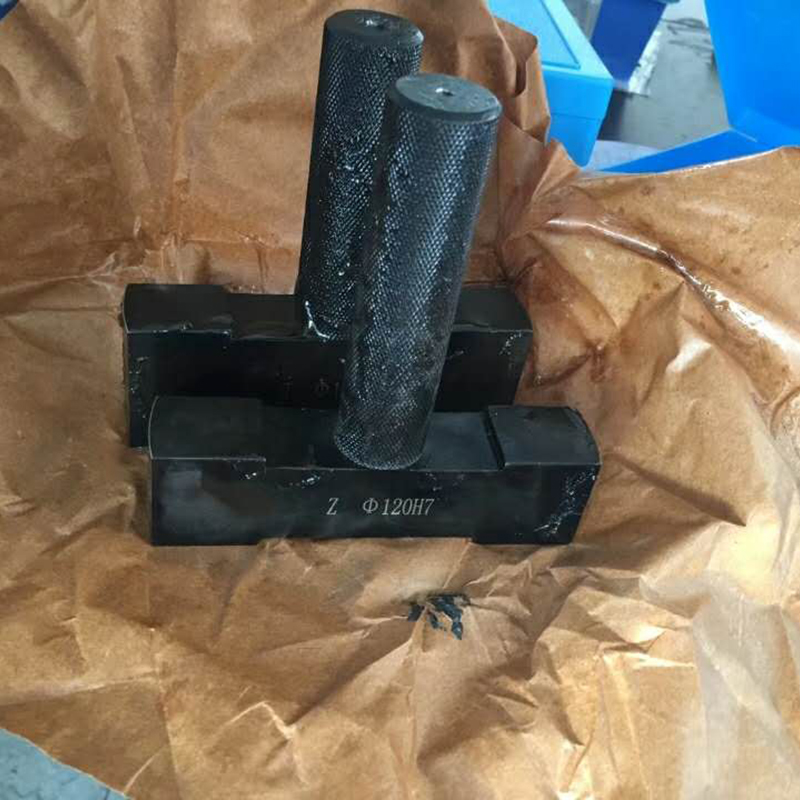
When it comes to precision in manufacturing and quality control, ensuring the accuracy of threads is
Y Type Strainer Cost and Pricing Analysis for Industrial Applications
Understanding the Pricing of Y-Type Strainers When it comes to maintaining the efficiency and longev
 English